Oranges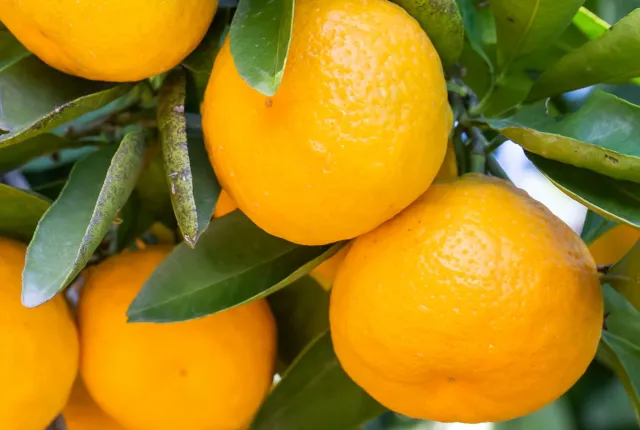
Navel Orange
Egyptian navel oranges — sweet, seedless, and easy to peel — packed mainly for export from December.
Harvest SeasonDec–Mar
JFMAMJJASOND
Egyptian oranges are a core winter export crop. We pack two varieties with two jobs: navel oranges from December through March for seedless, easy-peel fresh eating, and Valencia from February to May for juice and the late fresh market. That split is how serious buyers write specs — they do not want a generic “Egyptian orange” when the factory needs Valencia or the retailer needs navels. Fruit is grown for export on our Egyptian farms, inspected, cooled, and documented. If you run a citrus programme into Europe, Asia, or the Middle East, these two pages are the orange conversation; mandarins are listed separately.
Navels: sweet, seedless, easy to peel, December–March. Valencia: late, juicy, sweet-tart, February–May, including juice lines.
Both varieties are cultivated for export packing. We do not treat export as whatever is left after the Cairo wholesale markets.
Together the two varieties cover Egyptian orange from December into May — a long citrus window from one origin.
2 products· Oranges
Egyptian navel oranges — sweet, seedless, and easy to peel — packed mainly for export from December.
Harvest SeasonDec–Mar
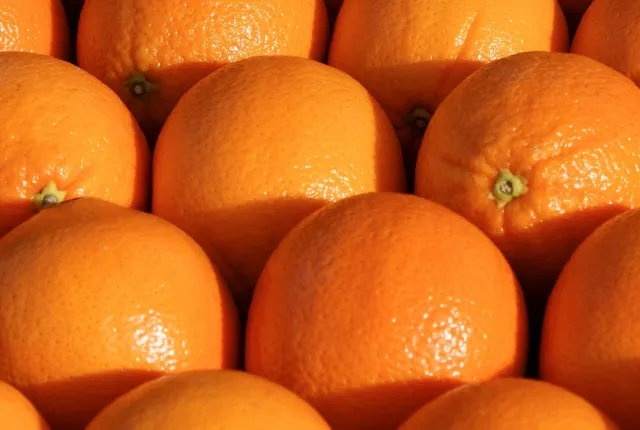
Late-season juicing orange — medium size, fragrant rind, tender juicy flesh, and a balanced sweet-tart flavour.
Harvest SeasonFeb–May
Custom packing or volume enquiries?
Contact Our Team